



Histamine Receptor
Histamine Receptors are a class of G protein-coupled receptors with histamine as their endogenous ligand. There are four known histamine receptors: H1 receptor, H2 receptor, H3 receptor, H4 receptor. The H1 receptor is a histamine receptor belonging to the family of Rhodopsin-like G-protein-coupled receptors. This receptor, which is activated by the biogenic amine histamine, is expressed throughout the body, to be specific, in smooth muscles, on vascular endothelial cells, in the heart, and in the central nervous system. H2 receptors are positively coupled to adenylate cyclase via Gs. It is a potent stimulant of cAMP production, which leads to activation of Protein Kinase A. Histamine H3 receptors are expressed in the central nervous system and to a lesser extent the peripheral nervous system, where they act asautoreceptors in presynaptic histaminergic neurons, and also control histamine turnover by feedback inhibition of histamine synthesis and release. The Histamine H4 receptor has been shown to be involved in mediating eosinophil shape change and mast cell chemotaxis.
Histamine Receptor Isoform Specific Products
All Product Categories
-
Histamine Receptor Inhibitors
(197)
View all products
-
Histamine Receptor Agonists
(66)
View all products
-
Histamine Receptor Antagonists
(495)
View all products
-
Histamine Receptor Activators
(5)
View all products
-
Histamine Receptor Modulators
(20)
View all products
-
Histamine Receptor Controls
(9)
View all products
-
Histamine Receptor Ligands
(2)
View all products
-
Histamine Receptor Related Products (860)
Related Products (860)

-
Antibodies (2)
-
Histamine Receptor Isoform Comparison
-
Emedastine
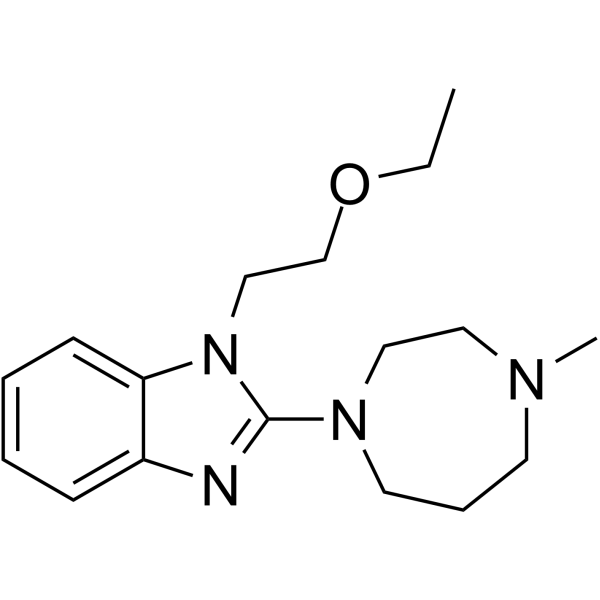 0 ImagesEmedastine is an orally active, selective and high affinity histamine H1 receptor antagonist with a Ki value of 1.3 nM. Emedastine is a benzimidazole derivative with potent antiallergic properties and used for allergic rhinitis, allergic skin diseases and allergic conjunctivitis.
-
Bilastine
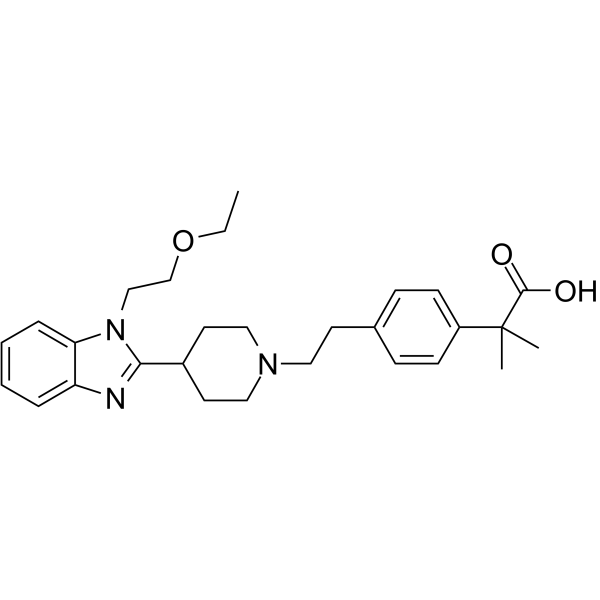 0 ImagesBilastine is an oral histamine H1-receptor antagonist. Bilastine can be used for allergic rhinitis and urticaria studies, and it also improves diabetic nephropathy in mice, showing safety for the central nervous system.
-
Acrivastine
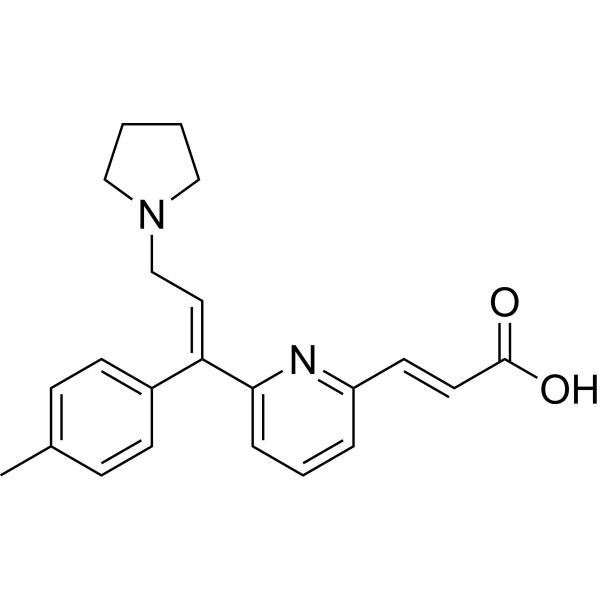 0 ImagesSynonyms: BW825CAcrivastine (BW825C) is a short acting histamine 1 receptor antagonist for the treatment of allergic rhinitis.
-
Pemirolast potassium
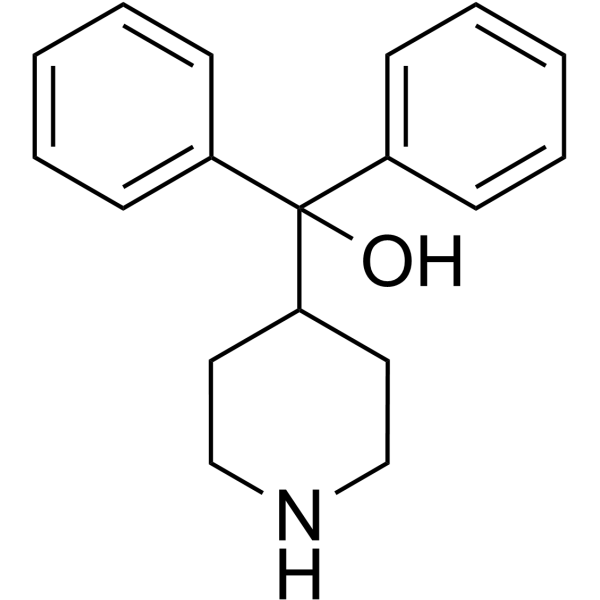
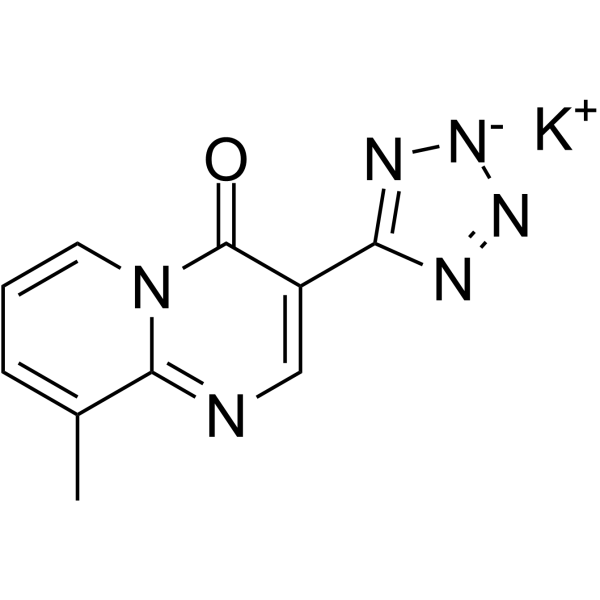 0 ImagesSynonyms: TWT-8152; BMY 26517Pemirolast potassium is an orally active antiallergic agent. Pemirolast potassium attenuates Paclitaxel (HY-B0015) hypersensitivity reactions. Pemirolast potassium can be used for bronchial asthma and conjunctivitis research-.
-
Adriforant hydrochloride
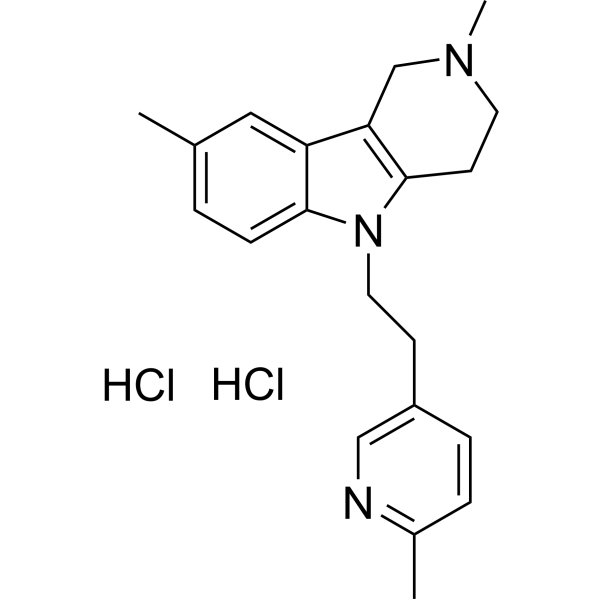
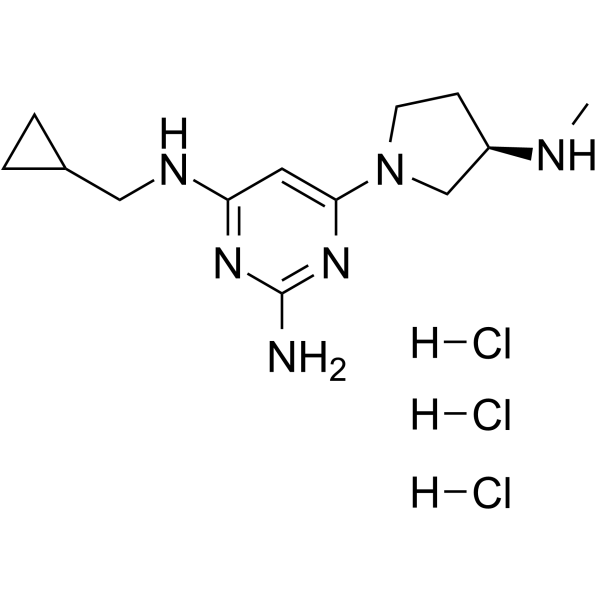 0 ImagesSynonyms: PF-3893787 hydrochlorideAdriforant hydrochloride (PF-3893787 hydrochloride) is a novel histamine H4 receptor antagonist binding affinity (Ki=2.4 nM) and is also a functional (Ki=1.56 nM) antagonist.
-
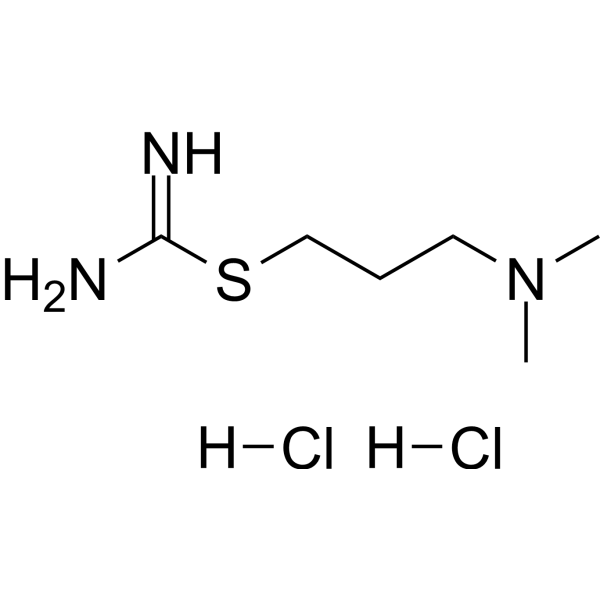
Carcainium chloride
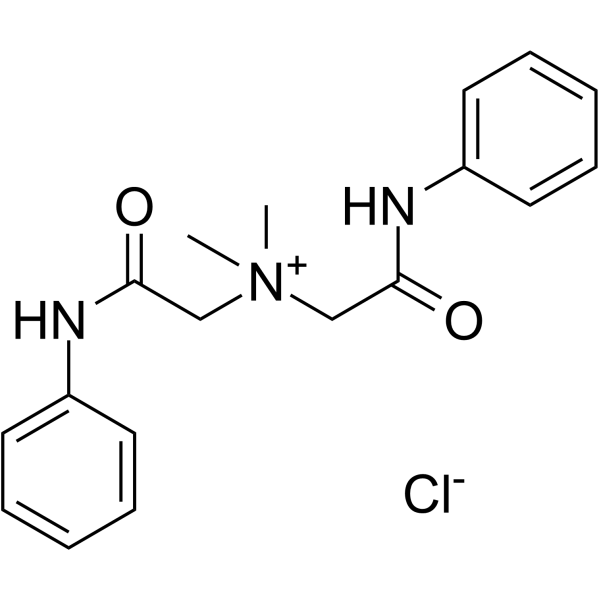 0 ImagesSynonyms: QX 572; RSD 931Carcainium chloride (QX 572) is a quaternary derivative of Lidocaine. Antitussive effect.
-
Iodophenpropit dihydrobromide
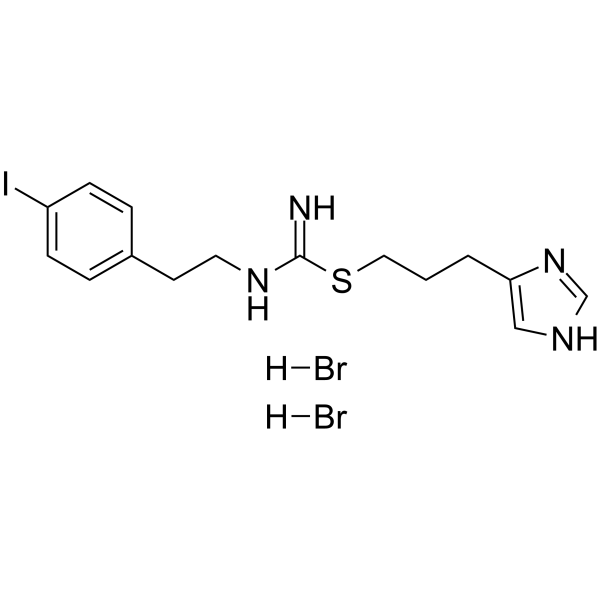 0 ImagesIodophenpropit dihydrobromide is a potent and selective histamine H3 receptor antagonist. The binding of [125I]Iodophenpropit is selective, saturable, readily reversible, and of high affinity (KD 0.32 nM).
-
Lodoxamide tromethamine
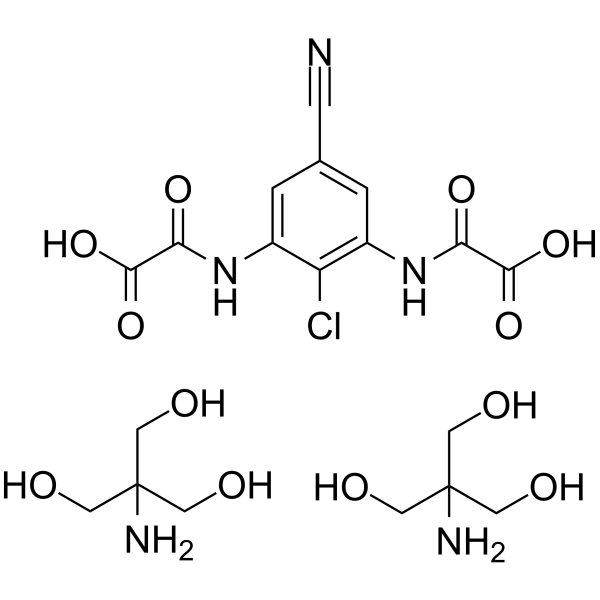 0 ImagesSynonyms: U-42585ELodoxamide tromethamine (U-42585E) is a medication for the treatment of prophylaxis of mast cell-mediated allergic disease.
-
XmAb-7195
 0 ImagesCat. No.: HY-P991252Purity: 99.98%Synonyms: AIMab-7195XmAb-7195 (AIMab-7195) is a human monoclonal antibody (mAb) targeting IGHE. XmAb-7195 can be used in Food hypersensitivity, Allergic asthma, Allergic rhinitis, Atopic dermatitis and Conjunctivitis research.
-
JNJ-5207852
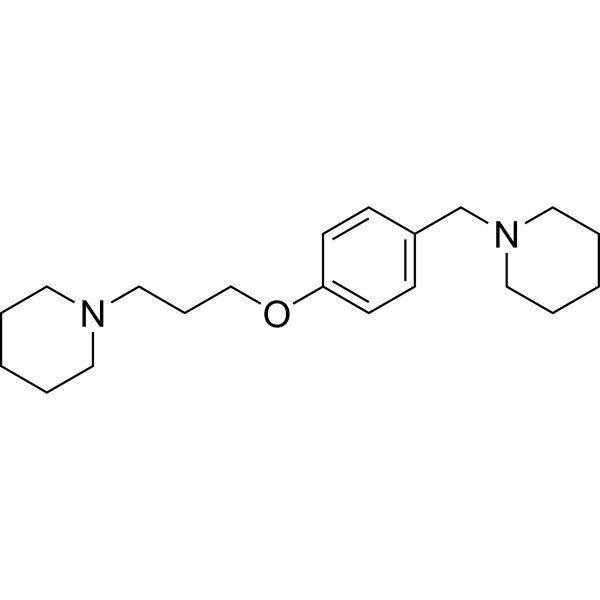 0 ImagesJNJ-5207852 is a selective and potent histamine H3 receptor (H3R) antagonist, with pKis of 8.9, 9.24 for rat and human H3R, respectively.

-
Ciproxifan maleate
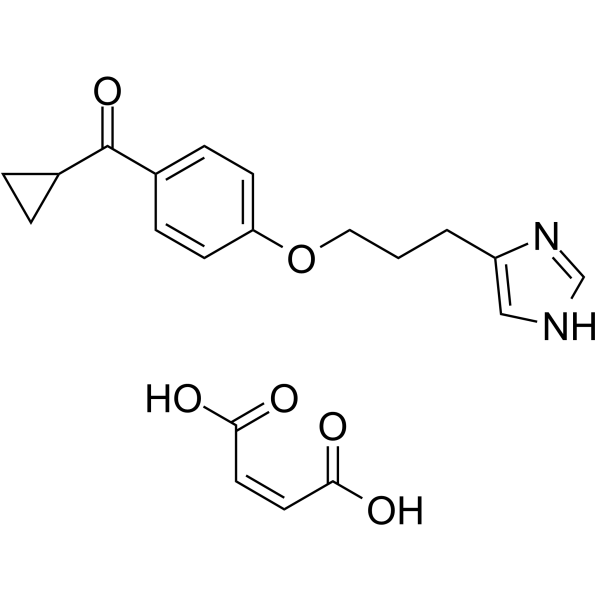 0 ImagesSynonyms: FUB 359 maleateCiproxifan maleate (FUB 359 maleate) is a potent, selective, orally bioavailable and competitive antagonist of histamine H3-receptor, with an IC50 of 9.2 nM. Ciproxifan maleate displays low apparent affinity at other receptor subtypes. Ciproxifan maleate can be used for the research of aging disorders and Alzheimer's disease.
-
Dropropizine
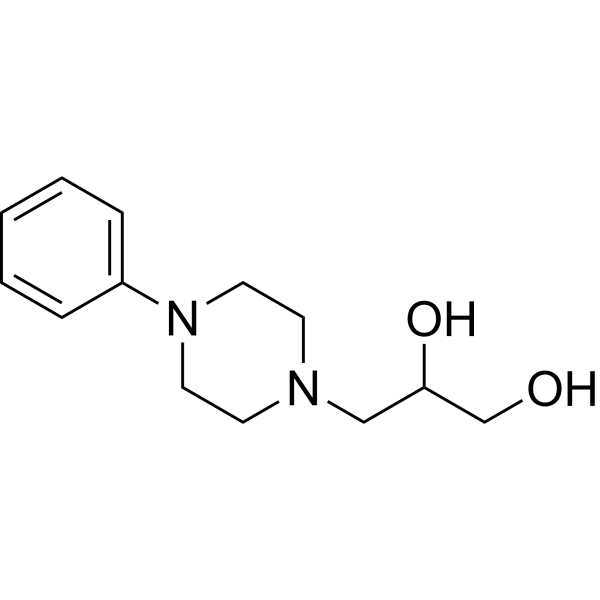 0 ImagesSynonyms: (±)-Dropropizine; UCB-196Dropropizine ((±)-Dropropizine; UCB-196) is an orally effective, peripherally selective antitussive that inhibits the activity of peripheral receptors and afferent nerves in the respiratory tract. Dropropizine acts on the cough reflex pathway, does not pass the blood-brain barrier, and has no central nervous system side effects. Dropropizine mainly regulates the level of sensory neuropeptides and inhibits the afferent signal transmission of the cough reflex, thereby alleviating the symptoms of dry cough, and has both mild local anesthetic and antihistamine activity. Dropropizine is mainly used for symptomatic research on dry cough caused by respiratory diseases.
-
Samelisant
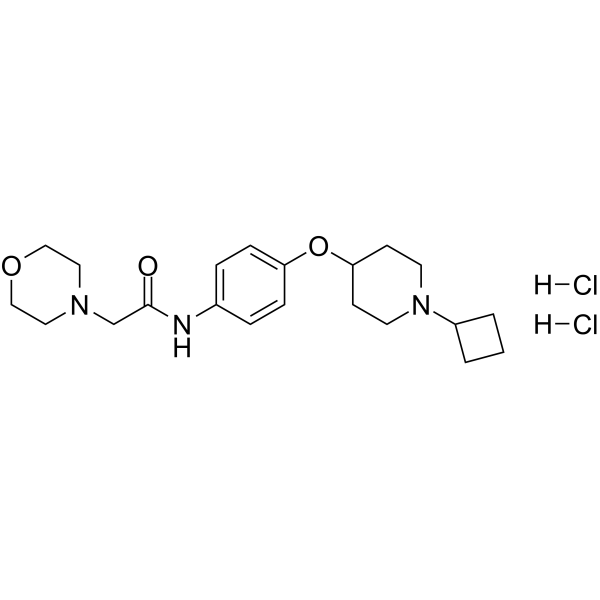 0 ImagesSynonyms: SUVN-G3031Samelisant (SUVN-G3031) is a potent and selective histamine H3 receptor (H3R) inverse agonist with good brain penetration and oral bioavailability. Samelisant has a similar binding affinity towards human (hH3R; Ki=8.7 nM) and rat (rH3R;Ki=9.8 nM) H3R indicating no inter-species differences. Samelisant can be used for the research of sleep-related disorders.
-
Imetit dihydrobromide
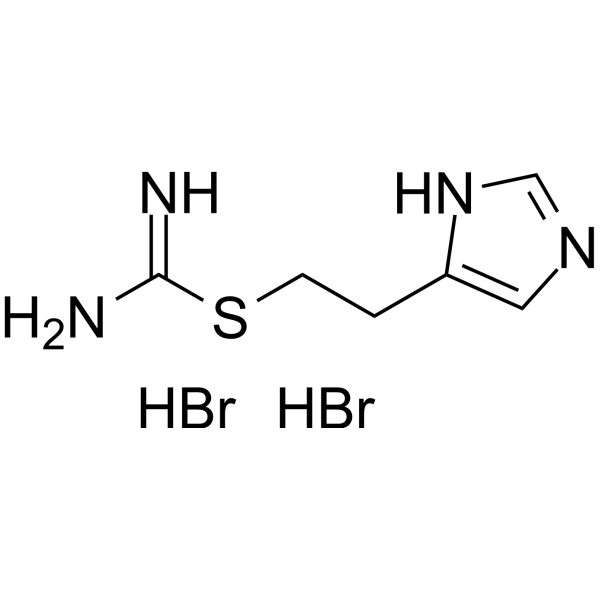 0 ImagesSynonyms: VUF 8325 dihydrobromide; SKF 91105 dihydrobromideImetit dihydrobromide (VUF 8325 dihydrobromide) is a high affinity and potent agonist of histamine H3 and H4 receptors, with Ki values of 0.3 and 2.7 nM, respectively. Imetit mimics histamine effect in triggering a shape change in eosinophils (EC50=25 nM).
-
VUF10460
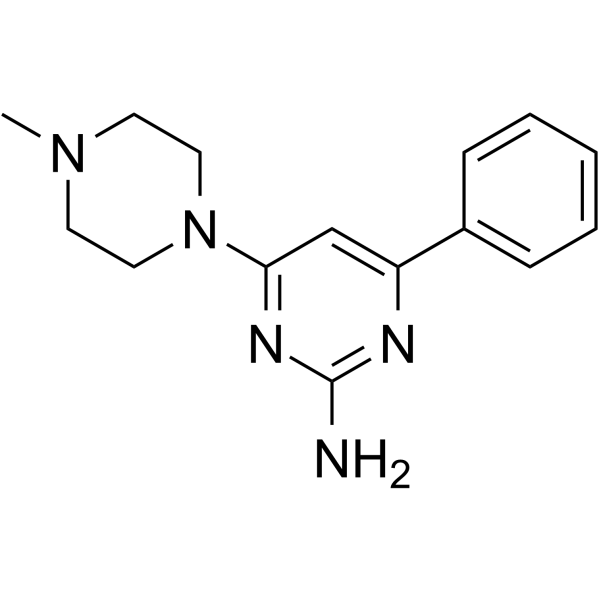 0 ImagesVUF10460 is a non-imidazole histamine H4 receptor agonist; binds to rat H4 receptor with a pKi of 7.46.
-
Amitriptyline hydrochloride (Standard)
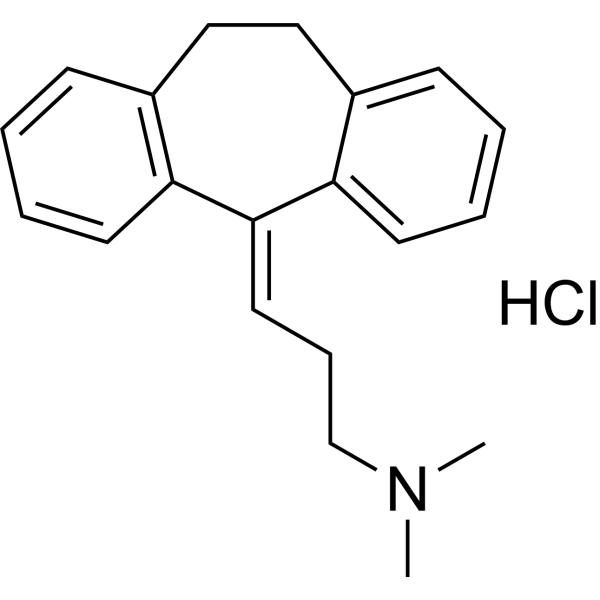 0 ImagesAmitriptyline hydrochloride (Standard) is the analytical standard of Amitriptyline hydrochloride (HY-B0527A). This product is intended for research and analytical applications. Amitriptyline hydrochloride is an orally active tricyclic antidepressant (TCA). Amitriptyline hydrochloride mainly exerts its antidepressant effect by blocking SERT (Ki = 3.45 nM) and NET (Ki = 13.3 nM), thereby increasing the concentrations of 5-hydroxytryptamine (5-HT) and norepinephrine (NE) in the synaptic cleft. Amitriptyline hydrochloride is also an agonist at α2A and TrkA/TrkB receptors, thereby exerting analgesic and neurotrophic activities (inhibiting cell apoptosis). Amitriptyline hydrochloride can reduce inflammation, angiogenesis and fibrosis. Amitriptyline hydrochloride binds to DAT (with Ki = 2.58 μM). Amitriptyline hydrochloride has high affinity for a series of receptors and can antagonize muscarinic cholinergic receptors (M1/M2/M3/M4/M5 receptors) (Ki = 11-24 nM), H1 receptors (Ki = 0.5-1.1 nM), adrenergic α1 receptors (Ki = 4.4 nM), etc., resulting in a series of side effects. Amitriptyline hydrochloride can block sodium channels and hERG potassium channel (IC50 = 4.78 μM) and it has cardiotoxicity.




